Talent Doesn't Drain. It Flows Toward Welcome.

For years, I recruited physicians into some of the most remote communities in Canada.
On paper, everyone assumed the challenge was geography.
It wasn't.
The real challenge was something much quieter.
It was belief.
The Hidden Cost of Turnover
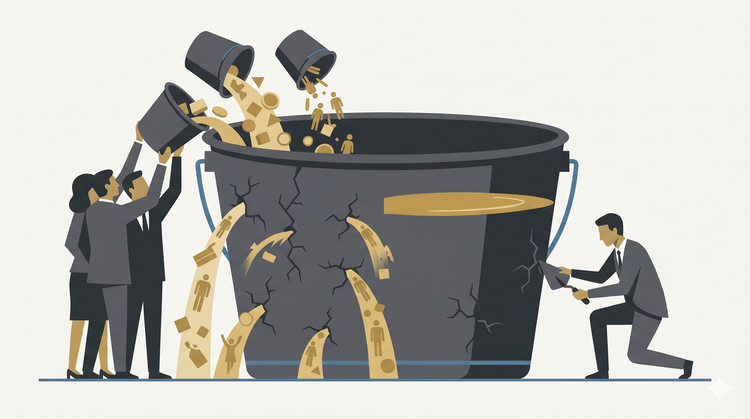
When a community loses people year after year, something changes.
Not just the staffing levels.
The culture.
The physicians who remain become exhausted.
The nurses stop expecting colleagues to stay.
Administrative staff grow used to constantly training someone new.
Eventually, everyone adapts.
Recruitment quietly shifts from optimism to survival.
No one says it out loud, but everyone begins thinking the same thing.
"They're probably leaving anyway."
That assumption changes everything.
Candidates Can Feel It
Candidates are remarkably good at sensing the emotional state of an organization.
It shows up in subtle ways.
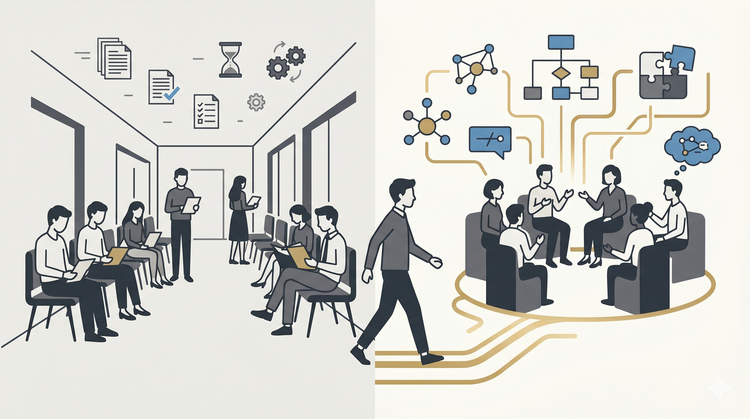
The rushed interview.
The hesitant onboarding.
The colleague who doesn't invest in getting to know them.
The leader who sounds relieved instead of excited.
None of these moments are intentional.
They're simply the emotional residue of years of disappointment.
But candidates feel it immediately.
And people rarely stay where they weren't expected to.
The turnover cycle reinforces itself.
Not because anyone made a bad decision.
Because everyone adapted rationally to repeated loss.
We Were Solving the Wrong Problem
For years, the conversation centered on incentives.
More money.
More bonuses.
More recruitment campaigns.
Those things mattered.
But they weren't the constraint.
The constraint was that the communities themselves had forgotten their own value.
They possessed extraordinary strengths.
Physicians practiced broad, meaningful medicine.
Colleagues genuinely depended on one another.
Patients knew their doctors by name.
The work mattered.
None of that was new.
We simply weren't telling the story.
Rebuilding Welcome
The second shift was harder.
We had to change the emotional architecture.
Not by pretending the work was easy.
Not by overselling.
And certainly not by recruiting from desperation.
Instead, we built something simpler.
Confidence.
"Here's who we are."
"Here's what the work looks like."
"Here's how we'll support you."
No pressure.
No defensiveness.
Just an honest invitation.
Candidates responded differently.
Because confidence is contagious.
The Flywheel
As more physicians stayed, something interesting happened.
The next candidate encountered a different environment.
They met colleagues who expected them to succeed.
They inherited relationships instead of skepticism.
The welcome became stronger because previous welcomes had worked.
Retention created credibility.
Credibility improved recruitment.
Recruitment strengthened retention.
The flywheel began spinning in the opposite direction.
The Architecture of Belonging
People often think culture is built after someone joins.
I've come to believe it starts much earlier.
It begins with the very first interaction.
Every email.
Every phone call.
Every introduction.
Every promise kept.
These aren't administrative tasks.
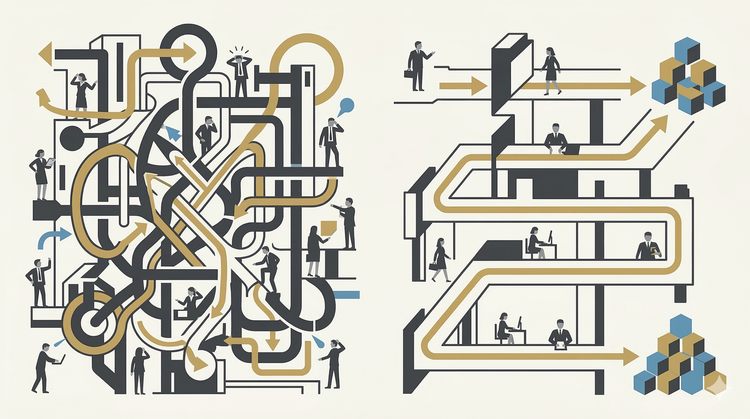
They're architectural decisions.
Because you're not simply filling a vacancy.
You're teaching someone what it feels like to belong.
The Timeless Principle
If your organization struggles to attract great people, ask yourself a different question.
What does it feel like to join us?
Not what your careers page says.
Not what your mission statement promises.
What does a new person actually experience?
Talent rarely disappears.
It flows.
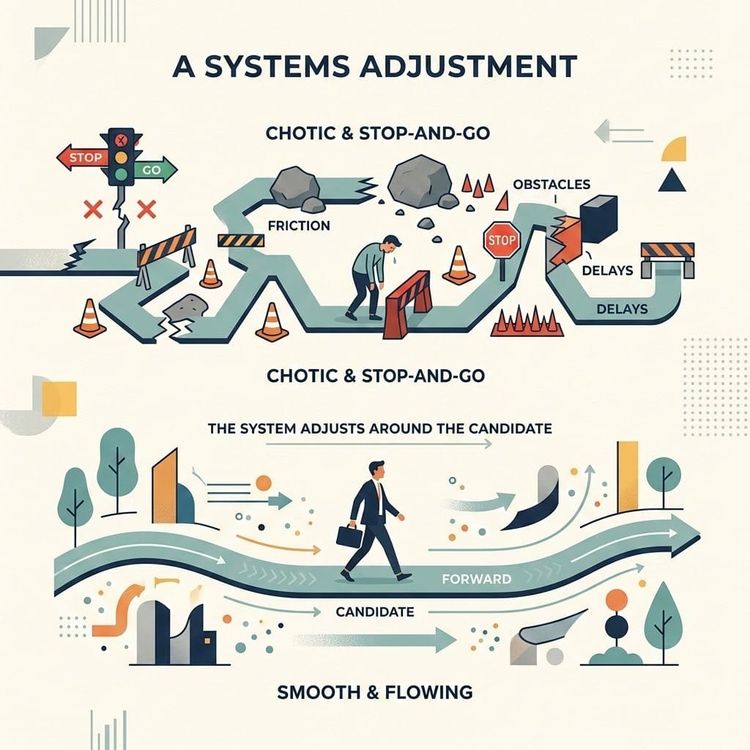
And like water, it follows the path of least resistance.
Create an environment where people feel welcomed, supported, and expected to succeed...
...and the current begins to flow toward you.
EXECUTIVE SUMMARY
The Problem
High-turnover organizations often develop an emotional culture that quietly discourages new people from staying.
The Shift
Rather than focusing only on incentives, build a culture of genuine welcome that communicates confidence, belonging, and support from the very first interaction.
The Doctrine
Recruitment is the first expression of culture. Organizations that intentionally design a welcoming experience reduce friction, improve retention, and create a self-reinforcing flywheel that attracts future talent.