Respect the Person. Understand the Seat.
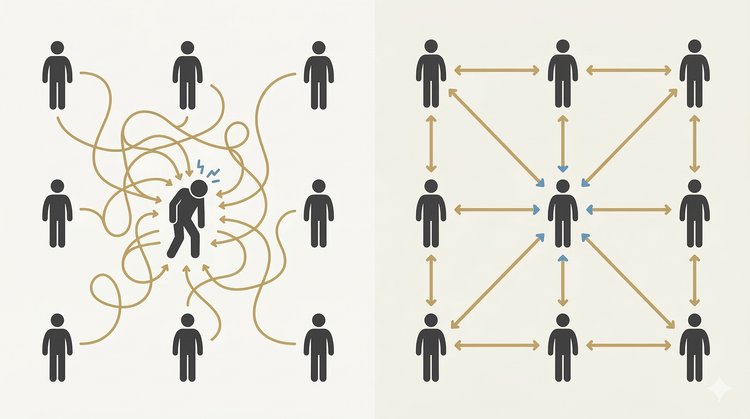
Most workplace conflict isn't personal. It's structural. Every role carries different responsibilities that shape decisions and behavior. Respect the person. Understand the seat. When leaders separate people from the pressures of their role, alignment becomes much easier.
Talent Doesn't Drain. It Flows Toward Welcome.
High turnover doesn't just empty positionsit changes how organizations welcome new people. Recruitment becomes cautious instead of confident. The strongest hiring systems don't simply attract talent. They create an environment where people expect to stay.
Culture Is the Cheapest Recruiter You'll Ever Hire
Most organizations respond to staffing shortages by recruiting harder. The smarter move is often reducing the friction causing people to leave. Culture isn't a soft benefit. It's the cheapest, most credible recruiter you'll ever hire.
AI Didn’t Kill Entry-Level Jobs. It Killed the Waiting Room.
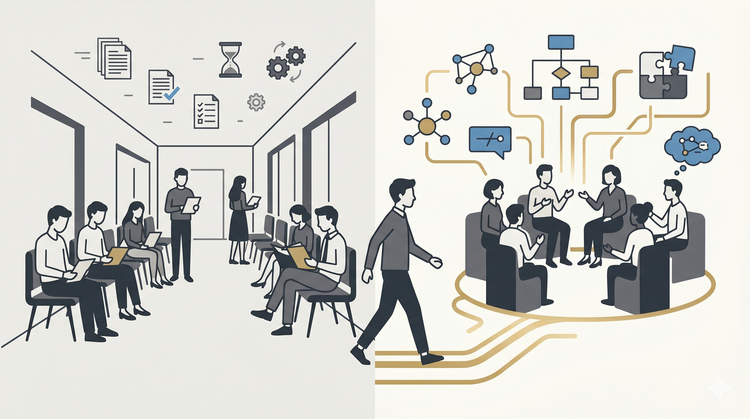
AI didn’t kill entry-level jobs. It killed the waiting room. The old model rewarded repetitive execution before strategic exposure. The new model rewards problem comprehension, judgment, and thoughtful contribution far earlier in a career.
Speed Wins Talent. Pressure Loses It.
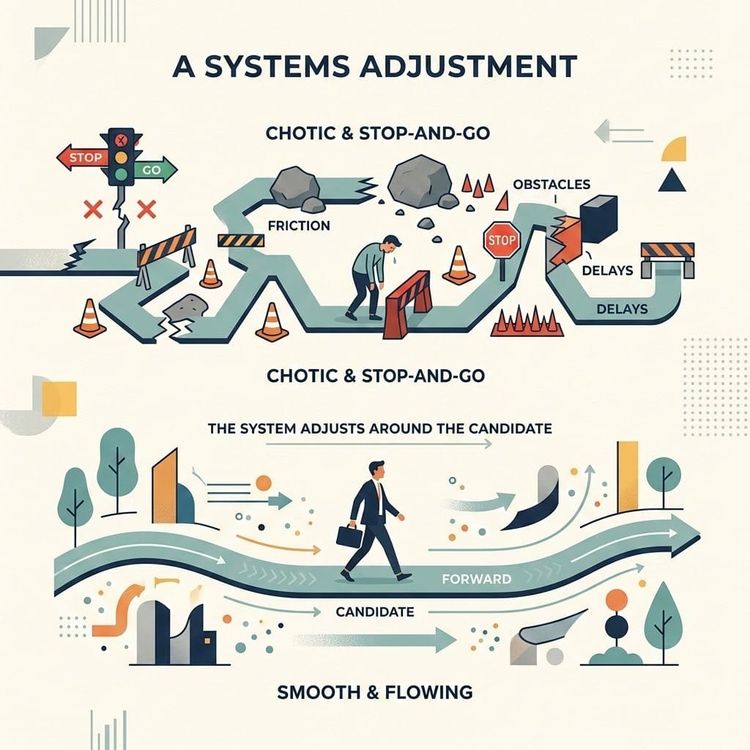
Under pressure, organizations push candidates to move faster. But top talent doesn’t respond to urgency: they respond to clarity. Align your process to candidate speed, reduce friction, and momentum will replace pressure.
100% Utilization Is an Operational Illusion
100% utilization looks efficient, but often hides friction. When your best people spend their time navigating broken systems, output stalls. Before adding headcount, remove the drag. The capacity you need is often already there.
Your Best Employees Should Not Be the Shock Absorbers of a Broken System
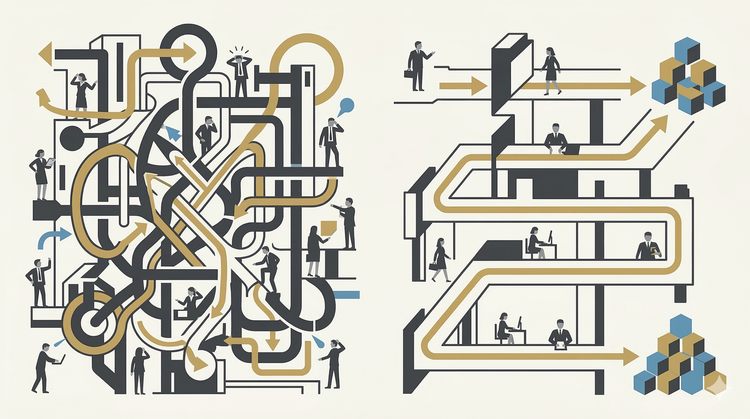
In many organizations, the reward for competence is more work. But that’s not teamwork, it’s a load balancing failure. When systems lack clear architecture, work flows to the strongest employee until they burn out. Sustainable organizations design systems that protect their best people.
Capacity Is a System Property, Not a Hiring Problem
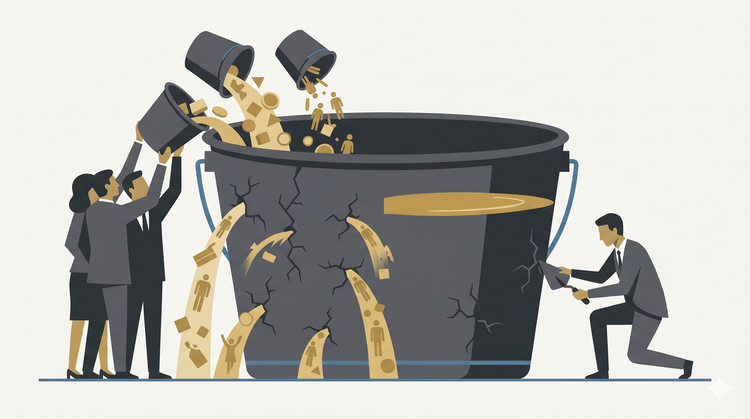
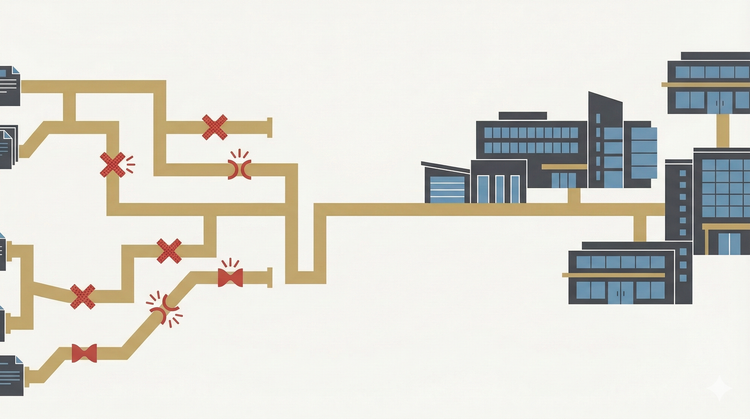
Most organizations treat hiring as a faucet: turn it harder and more talent appears. But capacity is a system property. When recruitment pipelines stall, the issue isn’t effort. It’s architecture. Reduce friction and throughput rises naturally.
Friction Is the Real Talent Shortage
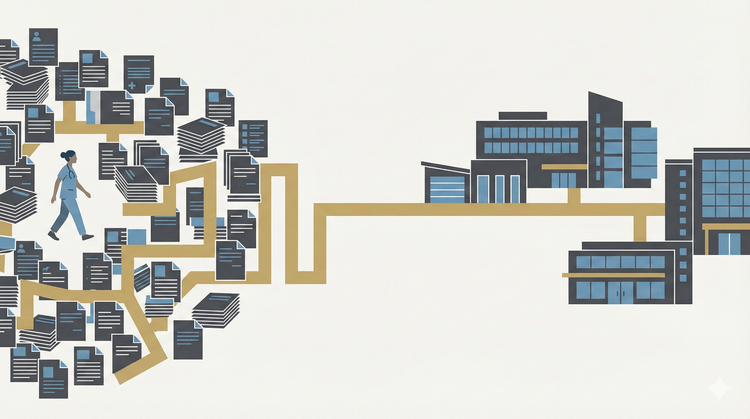
There isn’t a major talent shortage. There’s a friction surplus. In distributed networks, clinicians don’t exit because of geography they exit because the process is heavy. Simplify onboarding. Standardize infrastructure. Protect flow.
THE EFFICIENCY BLOC
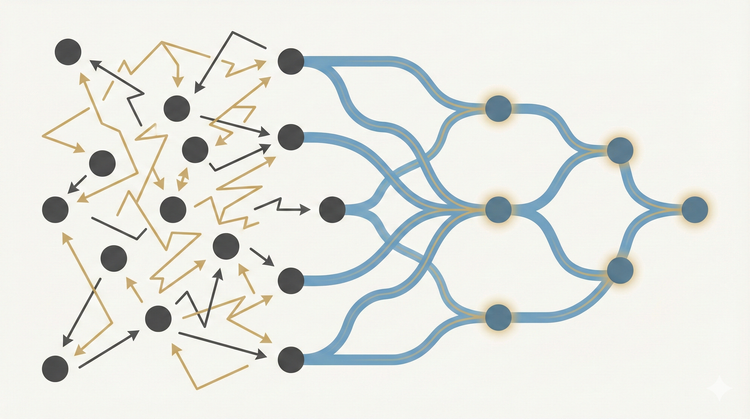
Most talent problems aren’t scarcity problems. They’re leakage problems. When distributed networks compete instead of coordinate, value exits the system. The advantage isn’t hiring harder it’s building infrastructure that recycles assets.