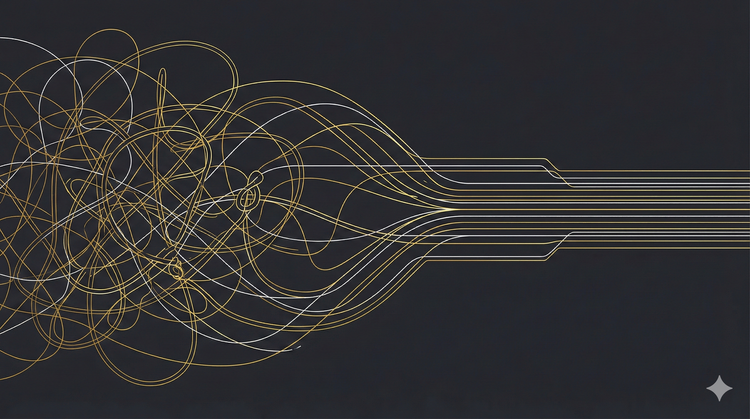
Your Best Employees Should Not Be the Shock Absorbers of a Broken System
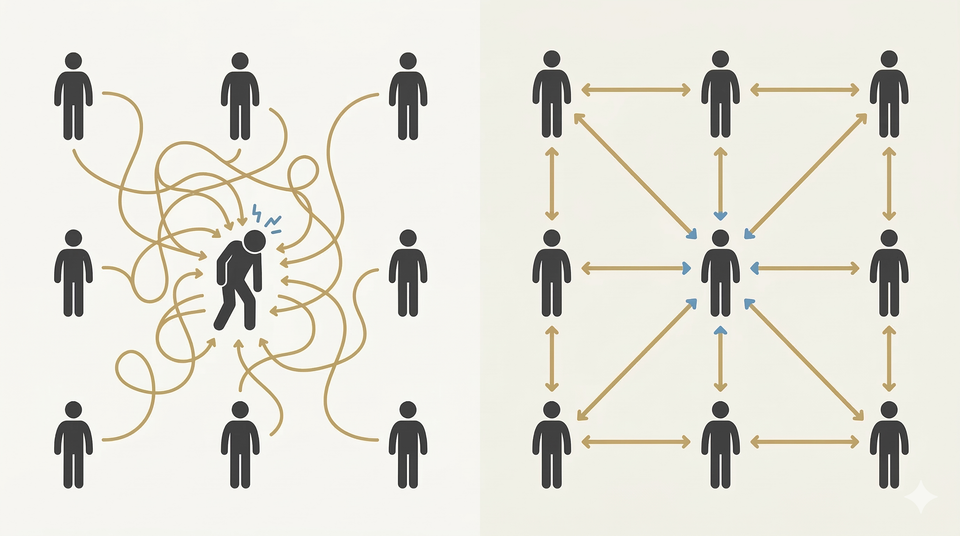
In many organizations, the reward for doing your job well is getting to do the jobs of people who cannot.
We usually disguise this dynamic with a compliment.
We call someone a team player.
But in reality, “team player” is often just organizational debt rebranded as virtue.
If you step back and look at it through the lens of system architecture, what’s happening is simpler:
It’s a load balancing failure.
How Work Actually Flows
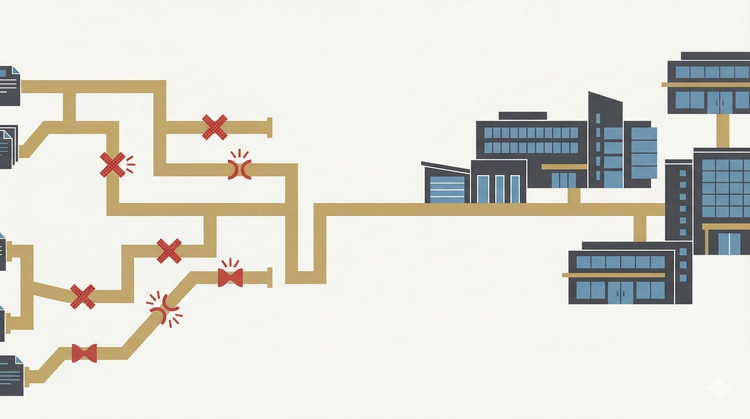
In systems without clear operating structure, work behaves like water.
It moves toward the path of least resistance.
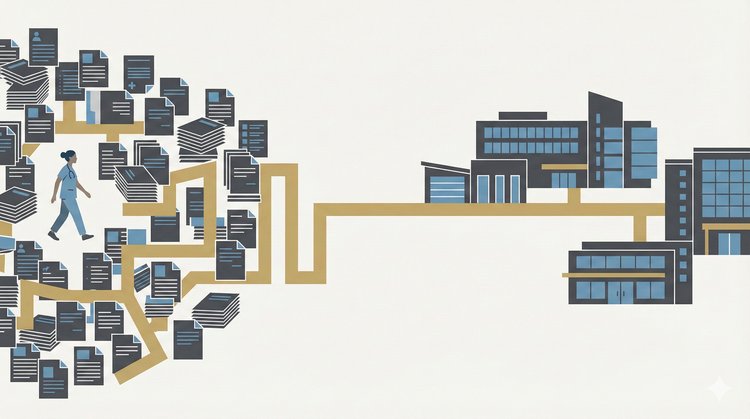
In human organizations, the path of least resistance is always the most competent person.
They answer questions quickly.
They resolve ambiguity without escalation.
They deliver outcomes without drama.
So the system learns something dangerous.
Send everything to them.
The Leadership Misread
From the outside, this looks like productivity.
Tasks get completed.
Deadlines get saved.
Customers stay happy.
Leadership sees motion and assumes the operating model is working.
But the system is not healthy.
It is fragile.
Because it relies on a single point of failure.
The competent employee absorbs all the friction the system produces.
Every missing SOP.
Every unclear role.
Every broken workflow.
Until eventually something predictable happens.
They burn out.
Or they leave.
When the System Collapses
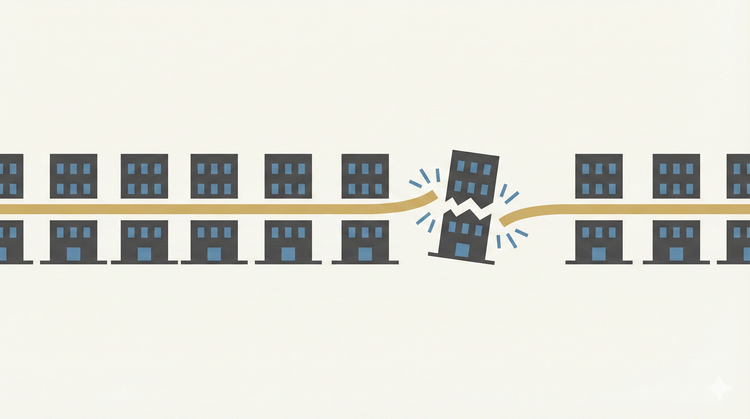
When that employee exits, the department often collapses with them.
Leaders interpret this as proof that the person was irreplaceable.
But that’s rarely the truth.
What actually happened is that the organization never built a system.
It built a dependency.
The Architecture Principle
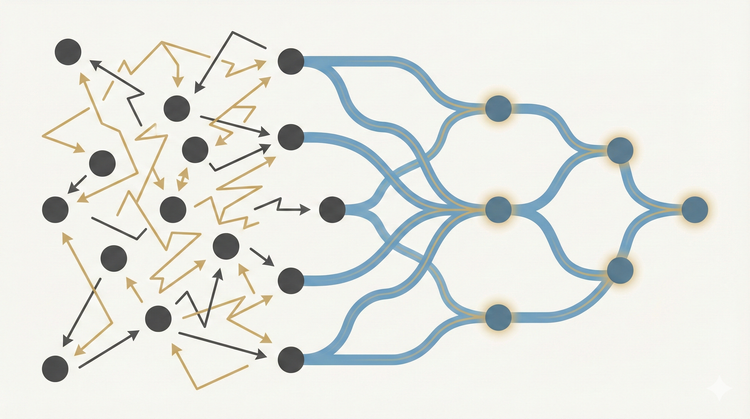
Healthy organizations don’t rely on heroic employees.
They rely on clear architecture.
That means:
- Standard operating procedures that remove ambiguity
- Defined ownership for recurring work
- Processes that don’t depend on tribal knowledge
- Infrastructure that allows consistency across teams
The goal of good operations isn’t to make exceptional people work harder.
It’s to make average performance reliable.
When the system works, great employees innovate.
When the system fails, great employees become janitors for chaos.
The Executive Test
If you want to understand the true health of your organization, ask one question:
If your top performer took two weeks off tomorrow, what would break?
Whatever the answer is, that’s where your architecture is weak.
Protect your best people.
Or eventually someone else will.
EXECUTIVE SUMMARY
The Problem
Organizations unknowingly overload their most competent employees to compensate for broken systems.
The Shift
Recognize this pattern as a load balancing failure caused by missing operational architecture.
The Doctrine
Strong organizations protect top performers by designing systems where consistent execution does not depend on heroic individuals.