In a Distributed Network, the Average Is a Lie
When I audit multi-site networks, the first slide the Board shows me is almost always the same.
Average Time-to-Fill.
Average Cost per Hire.
Average Margin.
I usually want to tear the report up.
Because in a distributed system, the average doesn’t clarify reality it conceals it.
Why Averages Fail Operators
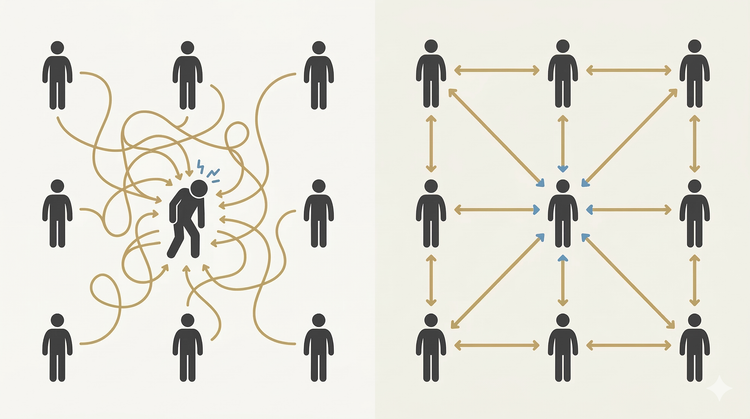
In a network of 50 sites, the average hides the only thing that actually matters: variance.
- Site A is stable, staffed, and quietly compounding trust.
- Site B is burning cash, burning people, and burning leadership attention.
When you manage to the average:
- You starve Site A of oxygen and autonomy.
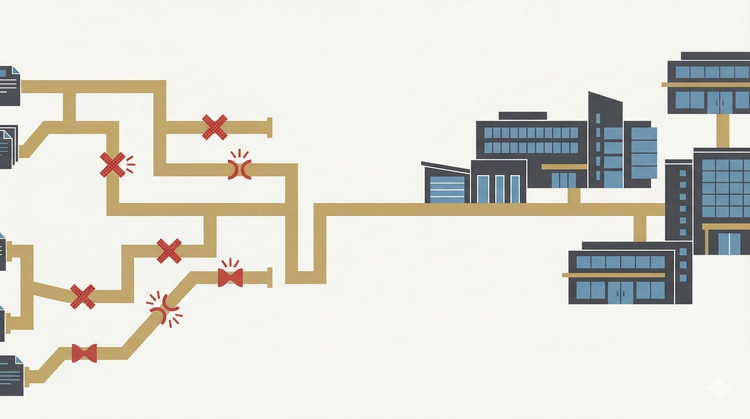
- You enable Site B to continue operating with broken inputs.
The average feels neutral.
In practice, it’s destructive.
How We Scaled a Northern Network
When we scaled a large Northern healthcare network, we did not attempt a regional overhaul.
That approach always fails.
Instead, we isolated the bottom 10% of sites that were creating nearly 80% of the operational drag.
Not to punish them: to understand them.
What we found was instructive.
The variance was not:
- Geography
- Market conditions
- Talent availability
It was process drift.
Variance Is Almost Always Self-Inflicted
At the struggling sites:
- The Tuesday huddle had quietly disappeared.
- Three “helpful” steps had been added to the intake form.
- Response timelines had softened.
- Ownership had blurred.
None of these changes felt dramatic in isolation.
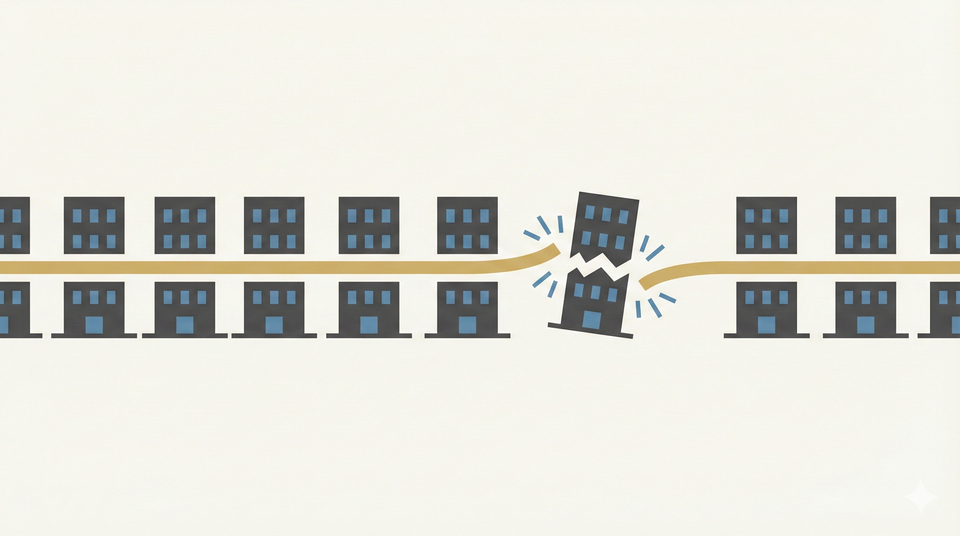
Together, they broke flow.
The sites that performed well weren’t smarter or better funded.
They were simply more consistent.
The Real Job of a Network Leader
You cannot scale a distributed system if you tolerate uncontrolled variance.
The role of an operational leader is not to “raise the average.”
It is to kill deviation.
That means:
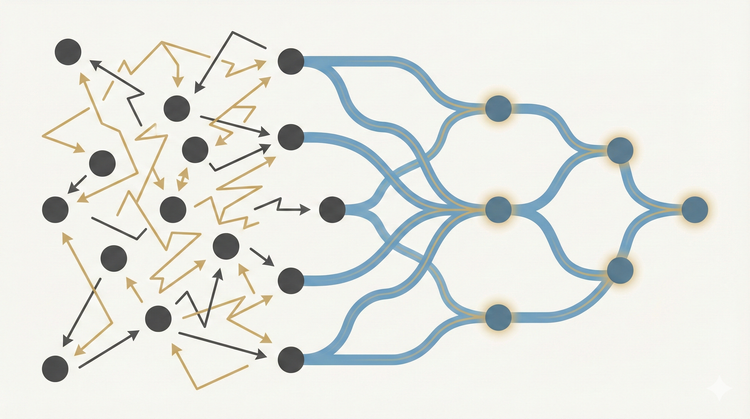
- Standardizing inputs
- Protecting core rituals
- Designing processes that resist entropy
- Treating drift as an early warning signal, not a local quirk
Standardize the input, and the output stabilizes almost automatically.
The Quiet Advantage
High-performing networks don’t rely on heroics.
They rely on boring, repeatable discipline.
The average will always lie to you.
Variance never does.
EXECUTIVE SUMMARY
The Problem
Leaders manage distributed networks using averages, which hide operational risk and enable underperformance.
The Shift
Instead of raising the average, isolate and eliminate process variance at the edges of the system.
The Doctrine
Asymmetric Recruiting and operations scale by standardizing inputs, not by applying pressure. Kill deviation, and stability follows.