The Most Expensive Part of Your Hiring Process Is the Pause

Most organizations believe their hiring problem is sourcing.
Not enough candidates. Not enough reach. Not enough brand.
That’s rarely true.
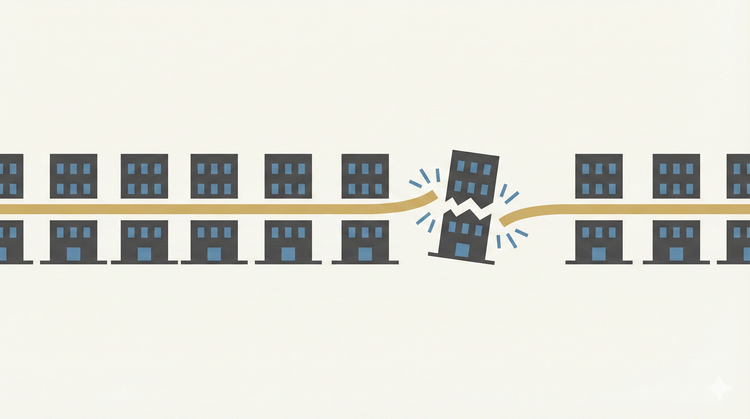
The most expensive part of your hiring process is the pause.
The days between interviews.
The waiting for feedback.
The moment when “we just need one more opinion” quietly turns into two lost candidates.
Hiring doesn’t usually fail loudly.
It fails in the gaps.
Decision Latency Is Invisible but Fatal
High performers are rarely idle.
They’re already solving problems somewhere else.
Every extra pause in your process adds friction for the very people you want most.
Not because they’re impatient, but because they’re decisive by nature.
When your system hesitates, they don’t argue.
They opt out.
What leaders often miss is that speed isn’t about rushing.
It’s about respect.
Where Latency Creeps In
Decision latency usually shows up in three places:
Unclear Authority
No one knows who owns the final call, so decisions stall.
Consensus Theatre
Extra meetings are added to create comfort, not clarity.
Feedback Without Urgency
Interviewers treat feedback as optional instead of time-sensitive.
Each pause feels reasonable in isolation.
Together, they quietly filter out your strongest candidates.
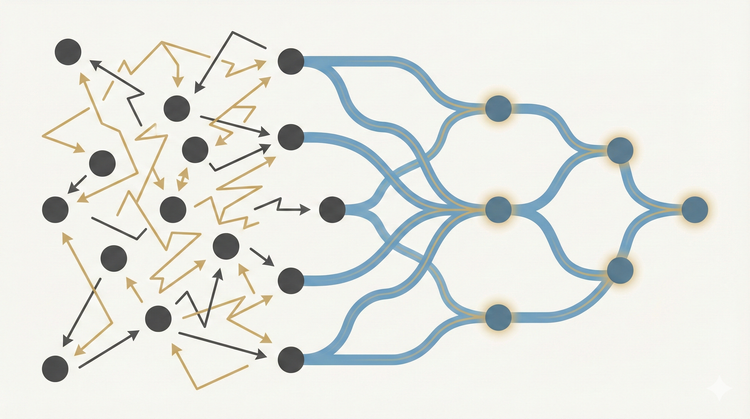
The Asymmetric Fix
You don’t need to move faster everywhere.
You need to move faster at the moments that matter.
World-class hiring teams design decision moments, not just interview steps.
They answer three questions upfront:
- Who owns the final decision?
- What input is required versus optional?
- What is the maximum acceptable delay between stages?
This doesn’t remove collaboration.
It removes ambiguity.
What Candidates Actually Experience
Candidates don’t experience your intentions.
They experience your timing.
Fast feedback signals confidence.
Clear next steps signal competence.
Momentum signals leadership.
Slow decisions send the opposite message, no matter how strong your employer brand is.
Fix the System, Not the Speed
The goal isn’t to rush people through hiring.
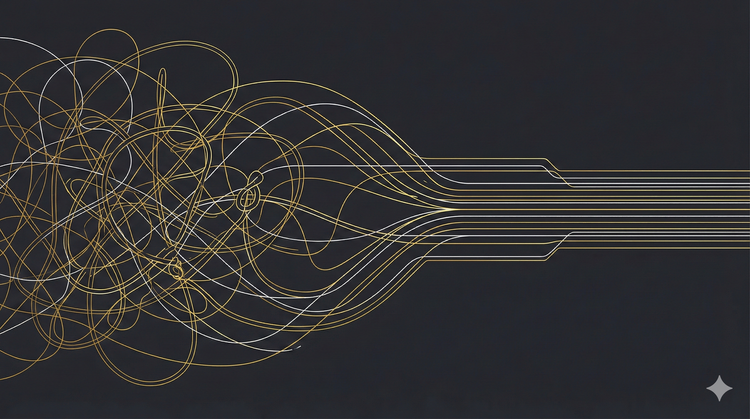
The goal is to remove unnecessary drag from the system.
When decisions flow, trust builds.
When trust builds, great people lean in instead of drifting away.
That’s the quiet advantage.
Executive Summary
The Problem: Most hiring systems lose top talent due to invisible decision delays, not poor sourcing.
The Shift: Design clear decision ownership and time-bound feedback into the hiring process.
The Doctrine: Asymmetric Recruiting focuses on removing small points of friction that create outsized gains in candidate trust, speed, and retention.