100% Utilization Is an Operational Illusion
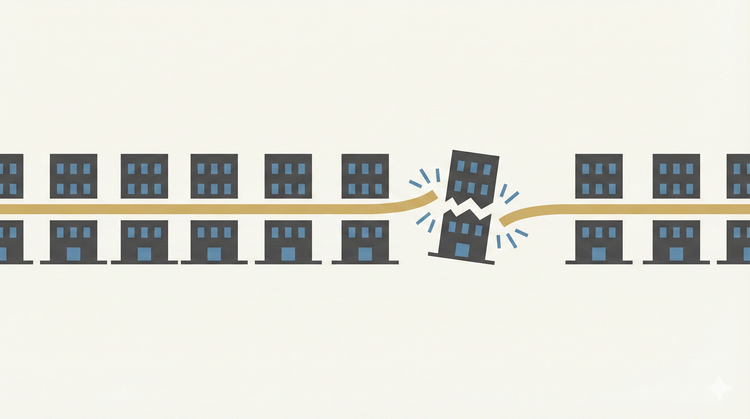
100% utilization looks impressive on a dashboard.
Every role is full.
Every hour is accounted for.
Every team appears “at capacity.”
From a distance, it signals efficiency.
Up close, it usually signals something else entirely.
The Illusion of Productivity
When output plateaus, leadership often reaches the same conclusion:
We need more people.
More headcount becomes the default lever to force growth.
But in complex systems, activity is not the same as flow.
And utilization is one of the easiest metrics to misread.
Because it measures time spent —> not value created.
What the System Is Actually Doing
If you step onto the floor (into the clinic, the office, the operational core) a different picture emerges.
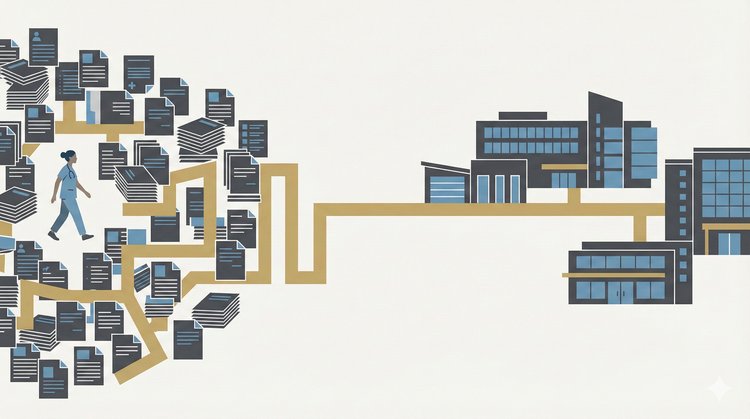
Your most capable people are not doing the work they were hired to do.
They are doing something else.
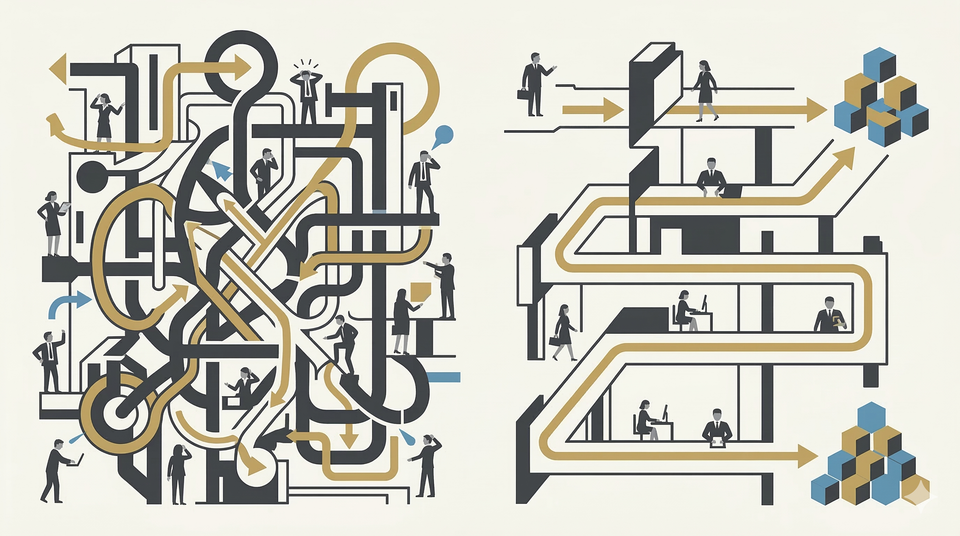
They are fighting the architecture of the business.
- Reconciling data between systems that don’t communicate
- Chasing approvals for routine decisions
- Sitting in alignment meetings to compensate for broken information flow
The spreadsheet records this as productive labor.
But it isn’t production.
It’s friction.
The Drag Coefficient Problem
In physics, systems don’t fail because they lack force.
They fail because they encounter resistance.
Organizations behave the same way.
You don’t have a capacity problem.
You have a drag coefficient problem.
Every unnecessary step, delay, or workaround increases resistance inside the system.
Over time, that resistance compounds.
Work slows.
Energy dissipates.
Output stalls.
Why More Headcount Makes It Worse
When you add people into a high-friction system, something predictable happens.
You don’t scale output.
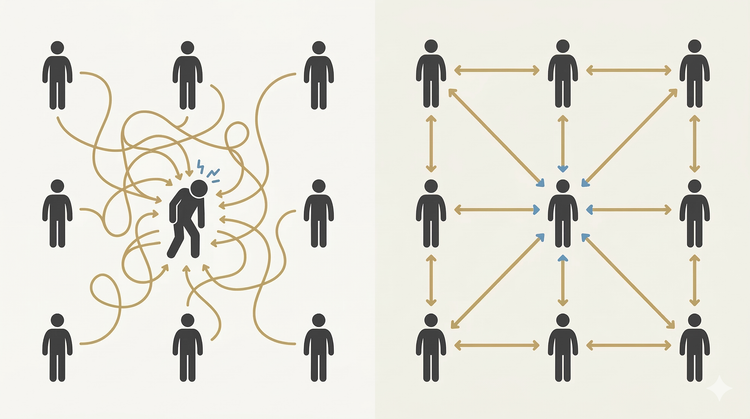
You scale coordination.
More handoffs.
More communication overhead.
More dependency chains.
The system becomes heavier.
Not stronger.
The Architecture Shift
Before investing in new headcount or expensive tools, there is a more valuable question to ask:
Where is friction consuming capacity?
In most cases, it’s hiding in plain sight:
- Duplicate processes across teams
- Unclear decision ownership
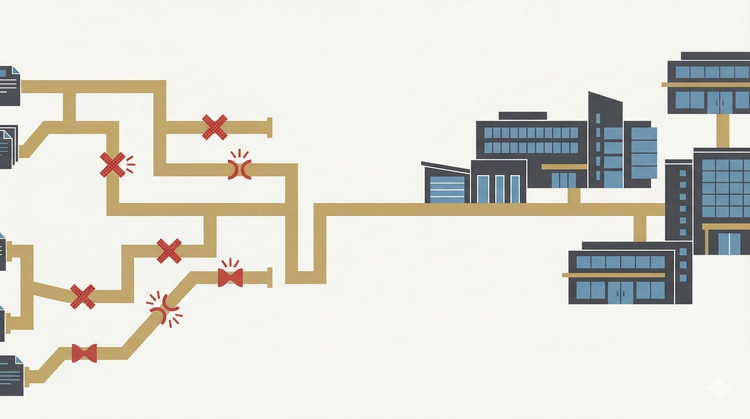
- Systems that don’t integrate
- Meetings replacing structure
None of these feel catastrophic.
Together, they consume a meaningful portion of your available capacity.
The Hidden Capacity
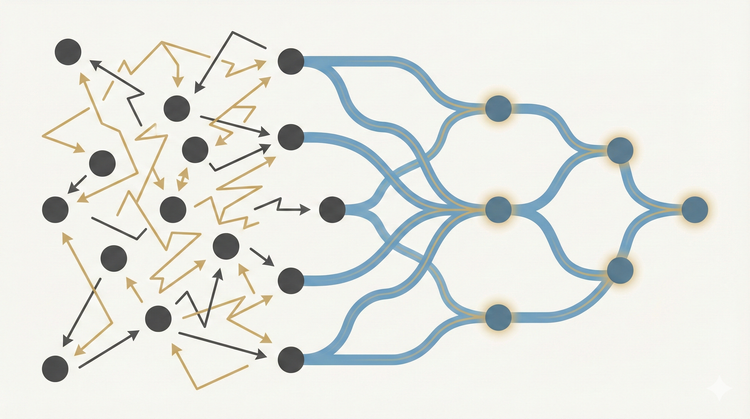
When you begin to remove administrative friction, something unexpected happens.
Capacity appears.
Not because you hired more people.
But because you freed the people you already had to do the work that actually creates value.
The system starts to move.
Throughput increases.
Energy returns.
Momentum builds.
The Executive Lens
If your organization is operating at “full capacity” but not producing the outcomes you expect, the answer is rarely more effort.
It’s better design.
Before you scale the system, simplify it.
Because in most organizations, the capacity you’re trying to buy already exists.
It’s just buried under bad plumbing.
EXECUTIVE SUMMARY
The Problem
Leaders interpret high utilization as productivity, masking the impact of operational friction.
The Shift
Identify and remove administrative drag before adding resources.
The Doctrine
Capacity is unlocked through system design, not headcount. Reduce friction, and output scales naturally.